
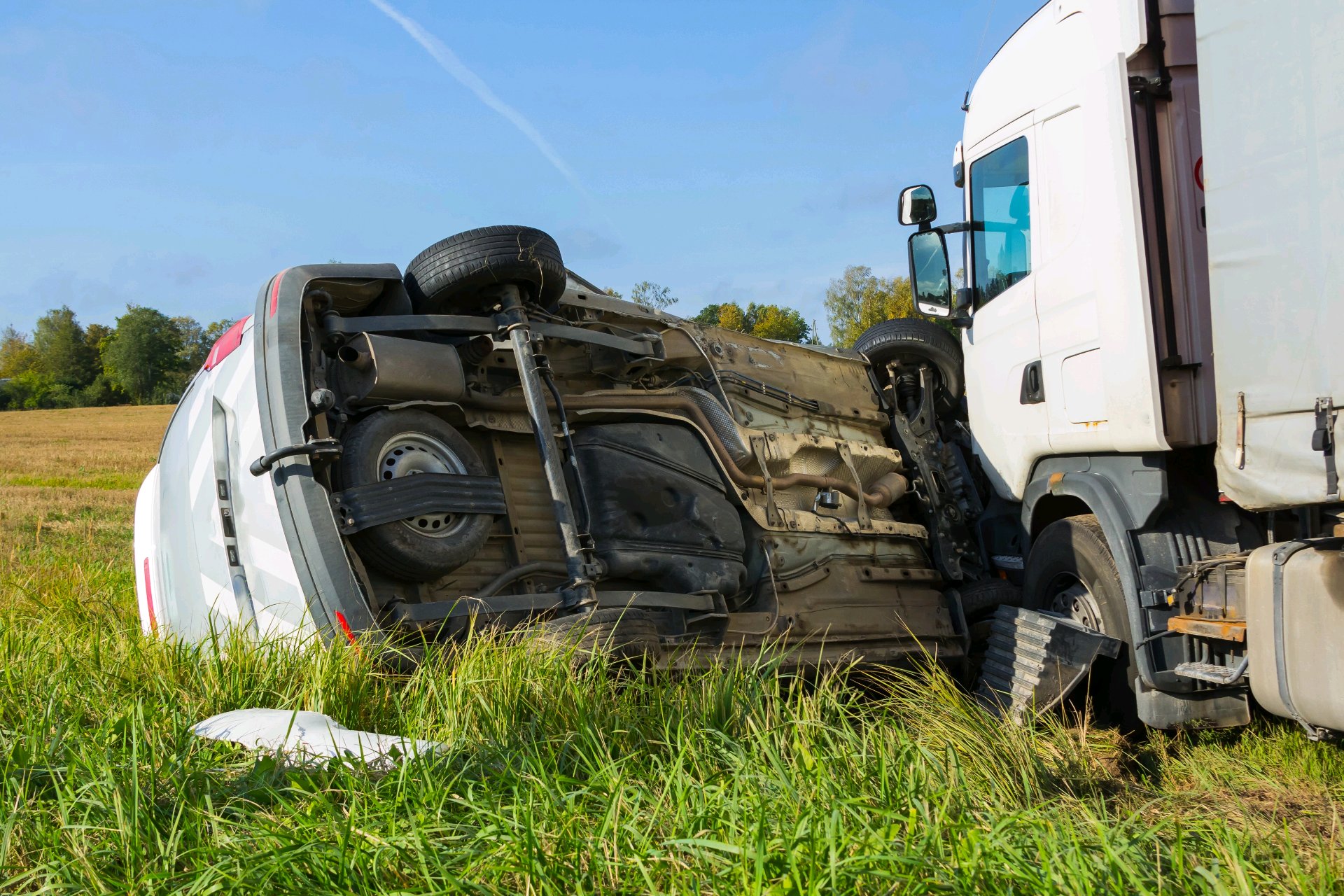
Spokane Truck Crash Report Guide
A practical guide to Spokane Police, Washington State Patrol, WSDOT data, and carrier-record routes.
The short answer: use Spokane Police or Washington State Patrol based on the record
For a collision investigated within Spokane city limits, start with Spokane Police’s report instructions. The City provides an online public-records route and an in-person Records counter at 1100 W Mallon Ave. For a Washington collision report, use the Washington State Patrol WRECR system, which searches by involved party and collision date and charges $10.50 for a copy under Washington law. The right route depends on who investigated the crash and what record you need.
This guide explains public records and evidence routes. It does not determine fault, liability, negligence, damages, or the value of a claim. It is general legal information, not advice about a particular collision.
Choose the Spokane-area records route
A Spokane Police report, a WSP collision report, WSDOT summarized crash data, and a trucking company’s internal file are different records. Confirm the investigating agency and the purpose of the request before paying for or submitting a record request.
| What you need | Best starting route | Important limit |
|---|---|---|
| Spokane Police report for an incident within city limits | Spokane Police public-records route | Some reports may require photo ID; public-records fees apply. |
| Washington collision report | WSP WRECR | WSP says reports may take 2–4 weeks to become available and redaction depends on requester status. |
| Civilian collision report when an officer is not completing a report | WSP OMVCR or the paper Motor Vehicle Collision Report route | WSP’s reporting instructions and qualifying damage or injury rules apply. |
| Statewide summarized crash statistics | WSDOT crash-data portal | The portal is high-level summarized data, not an individual crash report. |
| Detailed historic WSDOT crash data | WSDOT Public Disclosure Request Center | Public requests and partner requests use different routes and forms. |
| Carrier accident register, logs, or electronic vehicle data | Fact-specific request to the carrier or another authorized process | Federal carrier-record rules do not make every internal record public. |
Requesting a Spokane Police report
Spokane Police says people can request a police report for an incident within Spokane city limits through its online public-records portal or in person at Spokane Police Records, 1100 W Mallon Ave, Spokane, Washington 99260.1 The City lists in-person hours Tuesday through Thursday from 10:00 a.m. to noon and 1:00 p.m. to 3:30 p.m. Some reports may require photo identification, and public-records fees apply.1
Give the request enough information to help Records locate the file. Include the case number if available, the crash date, approximate time, location, involved names, vehicle information, and the fact that a commercial truck was involved. Keep the request confirmation, payment receipt, downloaded file, and follow-up messages together.
Spokane Police also provides a case-status route for current cases. The City asks requesters to include a case number, incident date, or involved parties when requesting an update.1 A case-status request is not the same as a copy request and may not produce the underlying report.
When Washington State Patrol holds the collision report
Spokane Police directs collisions involving $1,000 or more in damage or any injury to the Washington State Patrol Online Motor Vehicle Collision Reporting system unless an officer is filing the report.1 For a copy of a completed Washington collision report, WSP directs requesters to WRECR. WRECR searches by the name of an involved party and the collision date, then allows the requester to complete the transaction online.2
WSP states that a copy costs $10.50 under RCW 46.52.085. The agency says reports may take 2–4 weeks to become available while officers complete their investigation and a supervisor approves the report.2 A report can be available sooner, but the stated window is important when planning evidence requests or an insurance file.
WSP distinguishes entitled parties from other requesters. Entitled parties receive a non-redacted copy under the law identified by WSP. People or agencies outside that definition receive a redacted copy under Washington’s Public Records Act.2 Do not assume that a paid report will contain every photograph, supplement, recording, or investigative material.
Civilian reporting and the OMVCR route
WSP says any driver, pedestrian, pedalcycle user, or property owner involved in a Washington collision with $1,000 or more damage to any one unit or an injury to any person must complete a Motor Vehicle Collision Report when an officer is not completing a Police Traffic Collision Report.2
For a minor non-injury collision, WSP says 911 dispatch or an officer may direct someone to complete a civilian-initiated report. The electronic OMVCR route can provide a collision report and report number immediately after submission. WSP also provides a paper form that can be mailed or emailed, but says the paper process takes longer to obtain a report number.2
This reporting route is different from ordering a completed police collision report. Preserve the report number and confirmation if you submit an OMVCR, and do not assume that a civilian report replaces an officer’s report when one is later completed.
Using WSDOT crash data without confusing it with a report
WSDOT says its crash records contain information from Police Traffic Collision Reports, including the date, time, location, contributing circumstances, weather, collision type, object struck, and junction relationship.3 WSDOT retains 15 full years plus the current year of crash data. The agency says crash data is not complete or finalized until July of the following year.
The public WSDOT crash-data portal provides high-level summarized data for the public, attorneys, researchers, media, and others. It is useful for context and trend analysis, but it is not an individual Spokane crash report. WSDOT directs requesters who need historic, detailed, or summarized data outside the public portal to its Public Disclosure Request Center or the applicable request form.3
Trucking-company records are a separate evidence category
A police or WSP collision report is only one part of a potential evidence file. Other records may include photographs, medical records, 911 audio, dispatch material, traffic-camera footage, roadway-maintenance records, driver logs, inspection and maintenance records, cargo documents, electronic vehicle data, and carrier communications. Different custodians may hold each item, and release rules can differ.
The truck accident police report guide explains common report fields. The truck accident evidence checklist helps organize records, while the black-box evidence guide explains why electronic vehicle data can require prompt, fact-specific preservation steps.
Under 49 C.F.R. § 390.15, covered motor carriers and intermodal equipment providers must make specified accident records available to authorized federal, state, local, or authorized third-party representatives in applicable investigations. Motor carriers must maintain an accident register for three years and copies of accident reports required by a state, governmental entity, or insurer. The rule does not create an automatic public right to every internal carrier record.4
For directory research, see Spokane trucking accident attorney profiles, the Washington trucking accident attorney directory, or the national attorney directory. These are comparison resources, not endorsements or guarantees. The city crash-report guide index contains additional local and statewide records routes.
Spokane truck-crash report checklist
- Confirm whether Spokane Police, Washington State Patrol, another agency, or a civilian reporter created the record.
- Gather the crash date, approximate time, exact location, case or report number, involved names, vehicle details, and road or highway information.
- For a Spokane Police record, use the City’s public-records route and verify current fees or identification requirements.
- For a Washington collision report, search WRECR by involved-party name and collision date.
- Allow for WSP’s stated 2–4 week availability window before assuming a report is missing.
- Use OMVCR when WSP’s instructions call for a civilian collision report and an officer is not completing the police report.
- Use WSDOT’s public portal for summarized crash context, not as a substitute for an individual collision report.
- Save request confirmations, receipts, report numbers, downloaded files, and follow-up correspondence in one evidence folder.
Frequently Asked Questions
How do I get a Spokane Police truck crash report?
For an incident within Spokane city limits, use Spokane Police’s online public-records route or request the report in person at Spokane Police Records, 1100 W Mallon Ave. The City lists Tuesday-through-Thursday counter hours, says public-records fees apply, and notes that some reports may require photo ID.1
Where can I order a Washington collision report?
Use the Washington State Patrol WRECR system. WSP says WRECR lets a requester search by an involved party’s name and collision date, then complete the transaction online. WSP lists a $10.50 copy fee under RCW 46.52.085.2
How long does a Washington collision report take to become available?
WSP says officers have 2–4 weeks to complete their investigation and obtain supervisory approval, although reports are often available sooner. If a report is not found, check the search details and contact WSP Collision Records before assuming that no report exists.2
What is the difference between WSP WRECR and OMVCR?
WRECR is used to search for and order an existing collision report. OMVCR is used by an involved driver, pedestrian, pedalcycle user, or property owner to submit a civilian collision report when an officer is not completing a Police Traffic Collision Report. WSP says the electronic OMVCR process can provide a report number immediately.2
Does WSDOT crash data provide the full Spokane truck-crash report?
No. WSDOT’s public crash-data portal provides high-level summarized data for context and analysis. An individual report should be requested from Spokane Police, Washington State Patrol, or the agency that investigated the collision. WSDOT says detailed or historic data uses a separate public-disclosure route.3
Legal-Information Disclaimer
This article provides general educational information about requesting Spokane and Washington truck-crash records. It is not legal advice, does not create an attorney-client relationship, and is not a substitute for guidance about a particular collision, evidence issue, public-records request, insurance matter, filing requirement, privacy question, or deadline. Confirm current procedures with Spokane Police, Washington State Patrol, WSDOT, or the agency that investigated the crash, and seek advice from a qualified attorney about your circumstances.
References
City crash-report helper
Which agency likely investigated?
Use the facts you have to choose a starting path. This is an organizing tool—not a confirmation of jurisdiction, report availability, or legal advice.
Printable planning tool
Spokane Collision Record Request Checklist
Gather the facts an agency may need, track the request, and record follow-up questions. This worksheet stays on your device and does not submit information to this site.
City resource library
More city crash-report guides
Find official record-request starting points for other major cities. Procedures and eligibility can vary by agency.
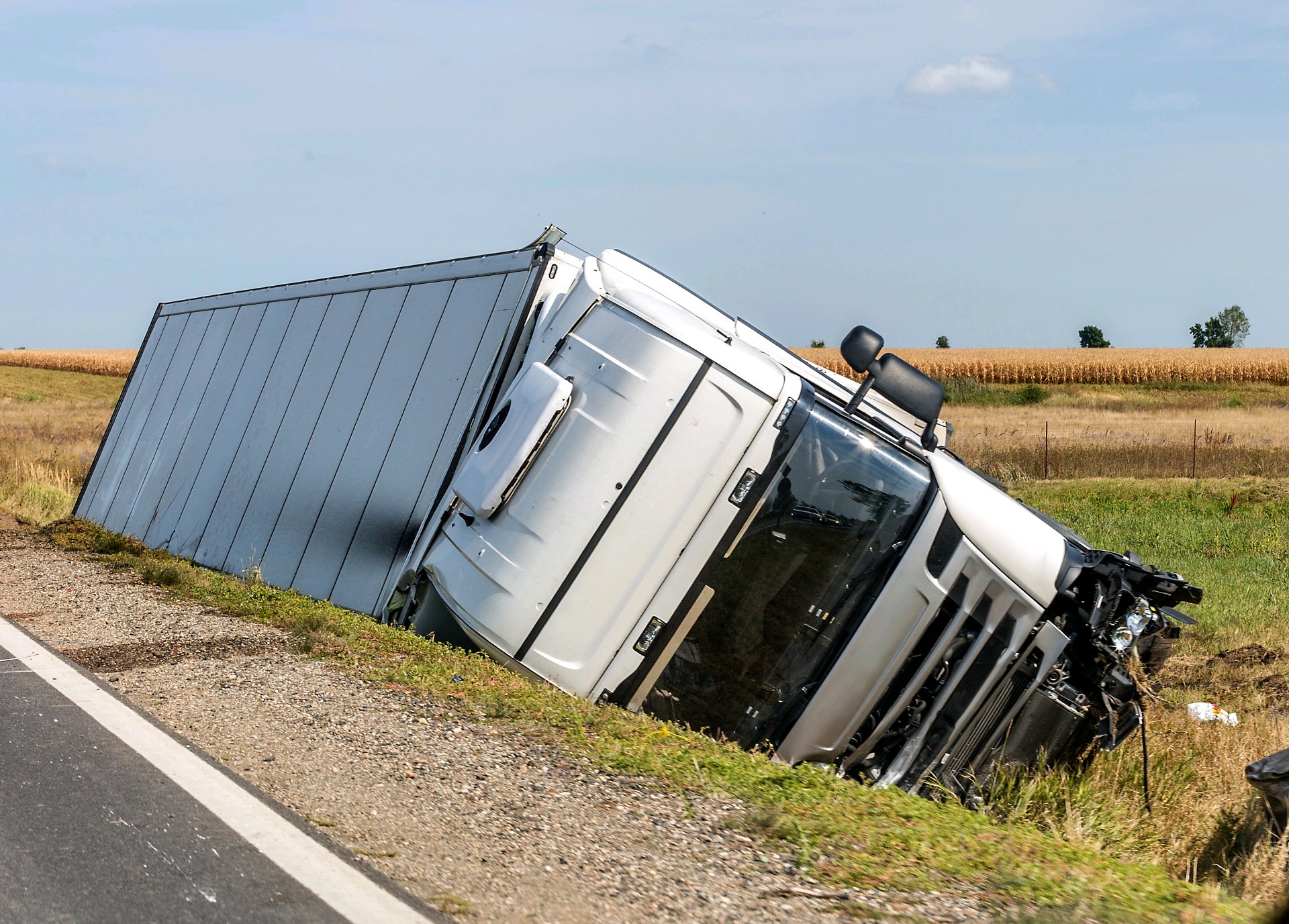
Phoenix Truck Crash Report Guide
See how to request a Phoenix truck crash report, compare Phoenix Police and Arizona DPS pathways, and organize key records.
Read guide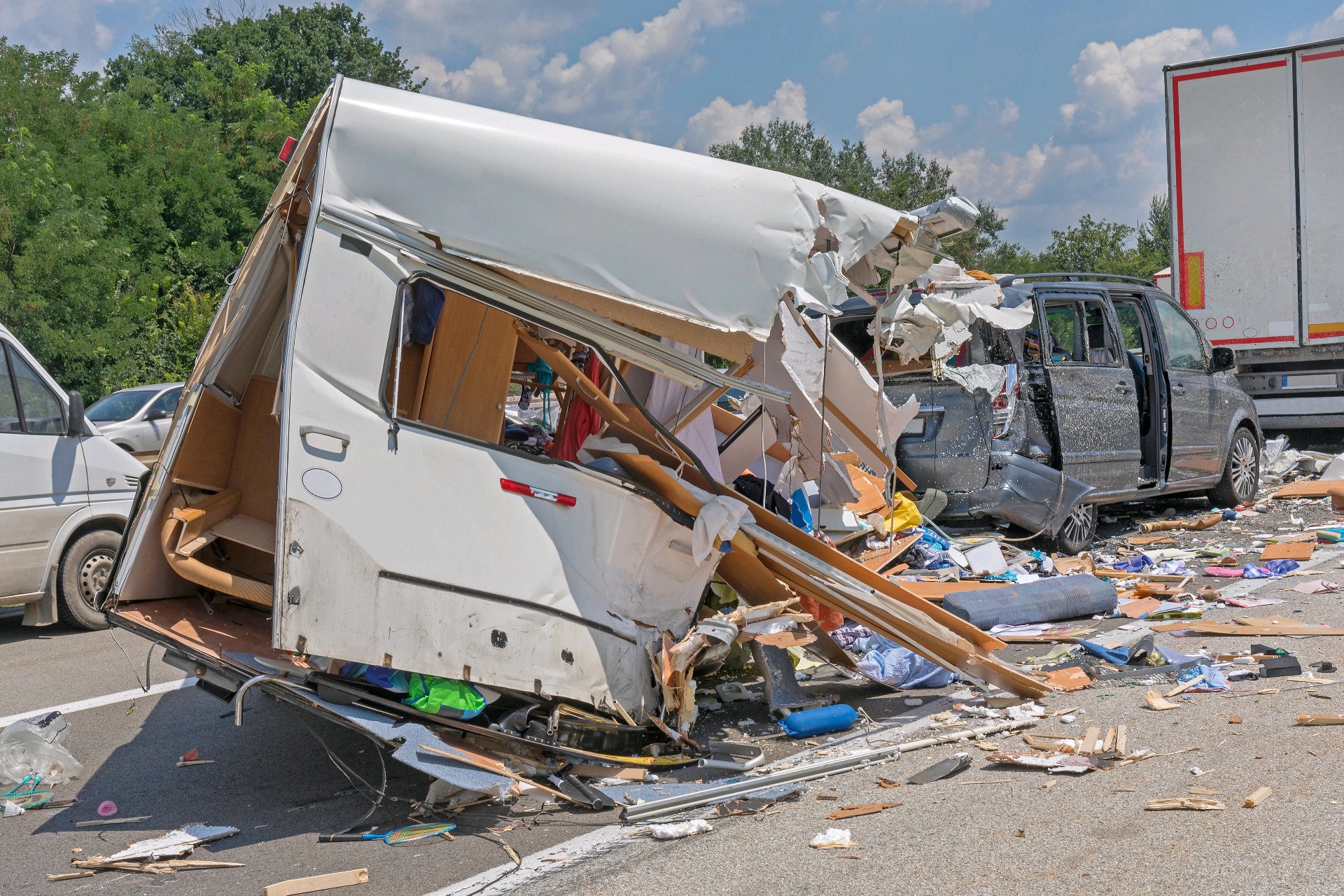
Houston Truck Crash Report Guide
How to request a Houston truck crash report, what details to save, and which agency may hold related records.
Read guide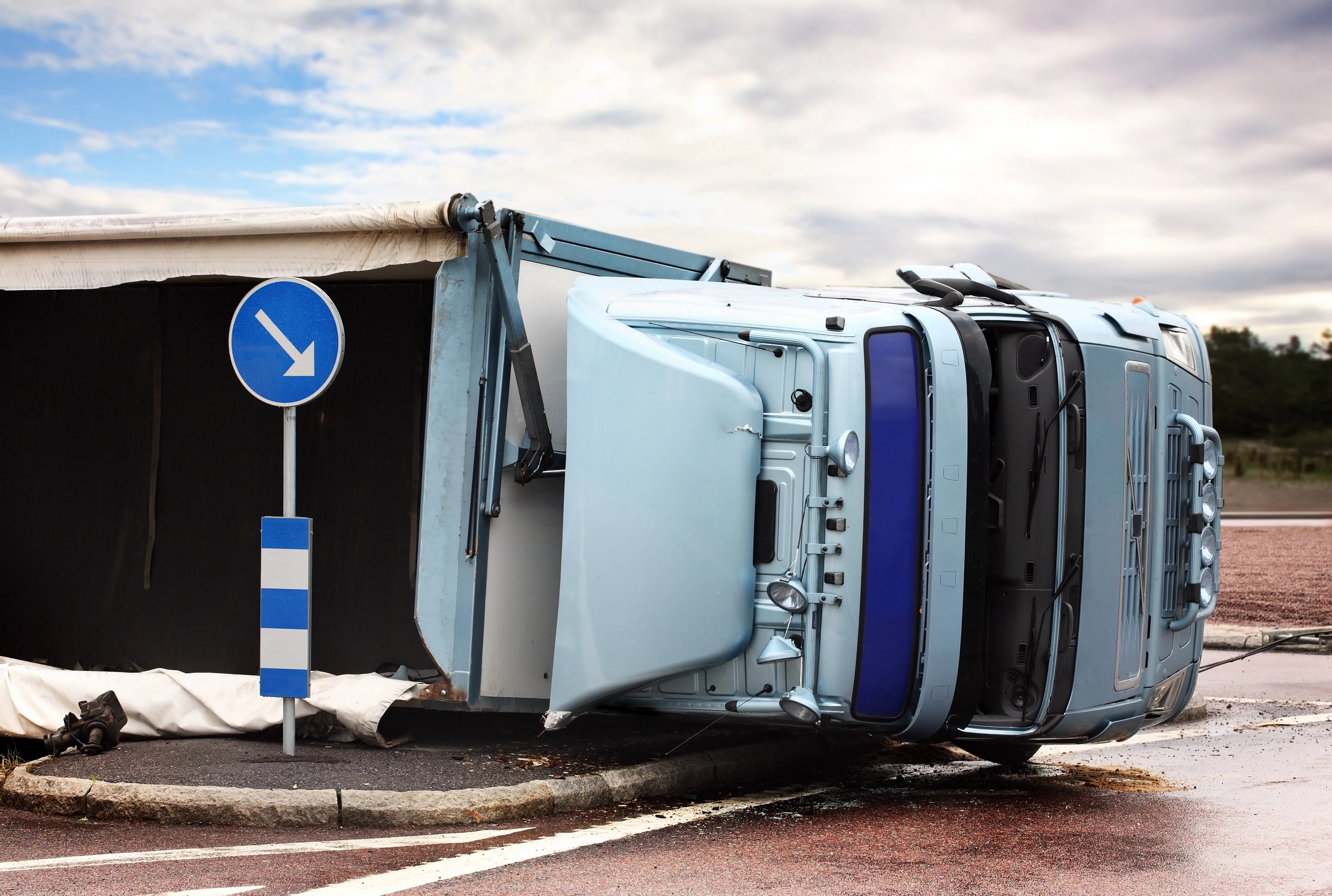
Dallas Truck Crash Report Guide
How to request a Dallas truck crash report, organize key details, and identify records that may be held separately.
Read guideFind an Attorney in Your City
Were You Injured in a Trucking Accident?
Find an experienced trucking accident attorney in your city. Most offer free consultations.
Find an Attorney