
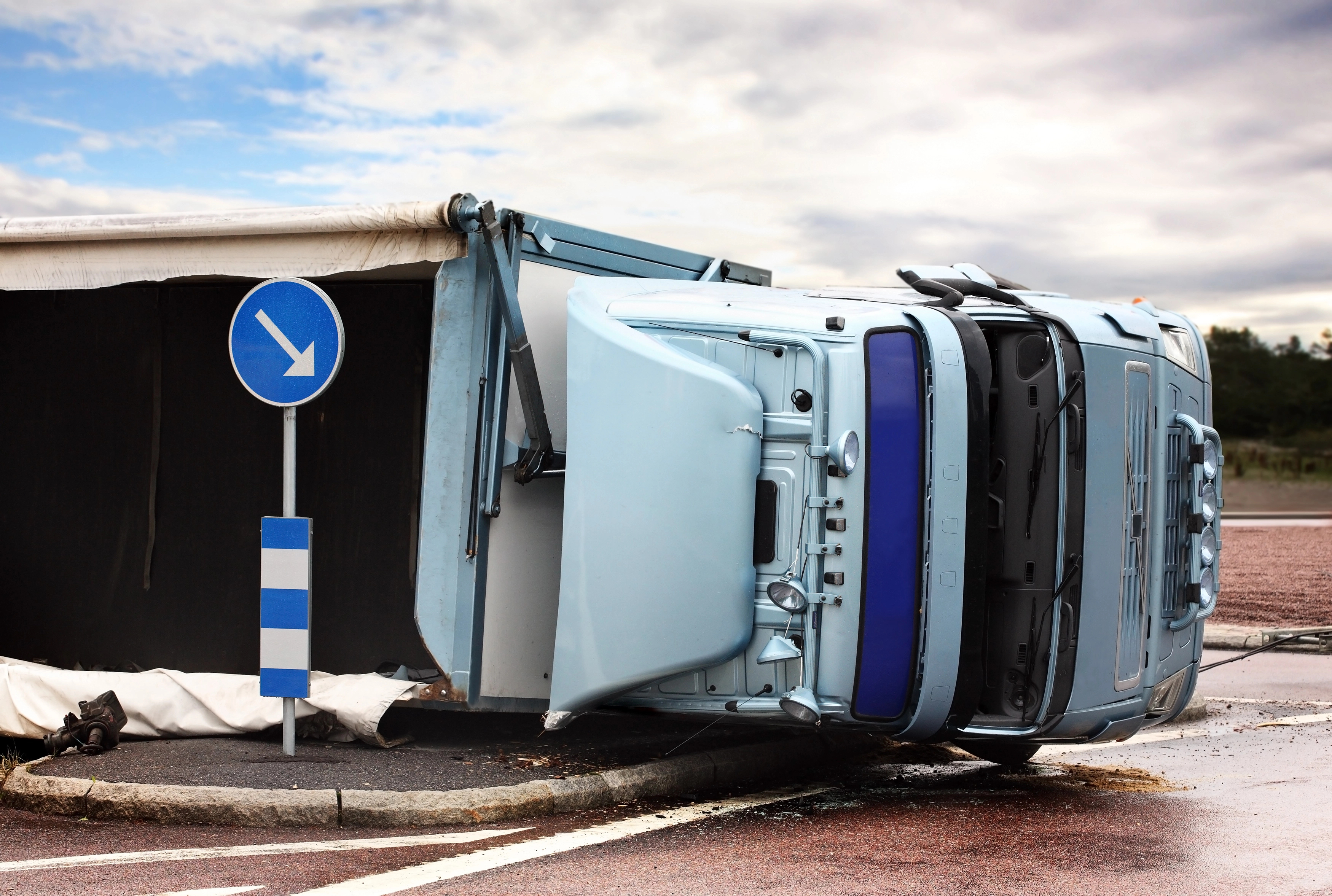
San Jose Truck Crash Report Guide
A practical guide to San Jose Police, California Highway Patrol, and DMV reporting routes after a commercial-truck collision.
The short answer: use SJPD, CHP, or DMV based on the record you need
For a commercial-truck collision investigated by the San Jose Police Department, start with SJPD’s official vehicle-accident report process. SJPD limits release to proper parties of interest and says online inquiries should generally wait at least 45 days. A California Highway Patrol investigation uses CHP’s separate Party of Interest process, while a California DMV SR-1 is a separate accident-reporting obligation rather than a replacement for a police investigation report. 1 2 3
This guide explains how to identify the correct route and preserve the request trail. It provides general legal information, not advice about a particular collision. A crash report records information gathered during an investigation, but it does not by itself decide fault, negligence, damages, or legal responsibility.
Identify the correct San Jose-area records route
The city where a collision occurred does not always identify the agency that investigated it. Check the report number, agency name, roadway, date, and paperwork from the scene before requesting a record.
| What your paperwork shows | Best starting route | Important limit |
|---|---|---|
| San Jose Police Department investigated the collision | SJPD Vehicle Accident Reports and its Records Unit | Online access is limited to proper parties of interest and some report types cannot be released online. |
| California Highway Patrol investigated the collision | CHP Request a Crash Report and the CHP Crash Portal | You must qualify as a CHP Party of Interest and may use CHP 190 through an Area office. |
| You need to report an injury, death, or qualifying property damage to California DMV | California DMV SR-1 process | SR-1 is a separate reporting requirement and does not replace a police or CHP report. |
| You need carrier or supplemental evidence | The agency, carrier, insurer, roadway custodian, or other holder of that record | A police report is not the same as carrier records, video, dispatch files, or electronic vehicle data. |
A collision on a freeway or another major roadway is not automatically a CHP case. Use the investigating agency named on the paperwork, and contact the agency if the route is unclear.
How to request a San Jose Police vehicle-accident report
SJPD says vehicle-accident reports may be released to proper parties of interest under California Vehicle Code section 20012. The listed categories include involved drivers, authorized representatives, named injured people, owners of damaged vehicles or property, people who may incur civil liability, insurers, and attorneys who declare under penalty of perjury that they represent an eligible person. Requests may be made online, in person, or by U.S. mail. 1
SJPD asks requesters to allow a minimum of 45 days from the collision before inquiring online. The department links to an online BuyCrash route for eligible vehicle-accident reports. Save the confirmation screen, receipt, report number, downloaded copy, and any follow-up correspondence with the original request. 1
Some records cannot be released through SJPD’s online route. The department says reports involving emergency vehicles, a fatality, a felony hit and run, or a juvenile who is the subject of a criminal citation must be requested by mail or in person. SJPD also says reports issued before December 31, 2017 must be requested by mail or in person. Confirm the current process before submitting a request. 1
For a mail request, SJPD directs requesters to complete its Vehicle Accident Report Request Form and include a $16 check or money order payable to the City of San Jose. The listed mailing address is San Jose Police Department, Records Unit, 201 West Mission Street, San Jose, California 95110. The department’s vehicle-accident page lists the Records Unit phone as 408-277-4261. 1
When to use the California Highway Patrol route
CHP’s official process applies when CHP investigated the collision. CHP says a proper Party of Interest may request a copy of the crash report or investigation online through the CHP Crash Portal, without going to the Area office where the report was filed. A requester may also submit CHP 190 by mail or in person to the nearest CHP Area office. 2
CHP lists drivers, bicyclists, pedestrians, passengers, parents of minors, legal guardians, vehicle or property owners, legal representatives, manufacturer representatives, and insurers with a valid claim or policy number among the potential parties of interest. The agency instructs requesters to provide the crash date, location, driver or owner information, party-of-interest category, and applicant details. CHP says to contact the Area office for the applicable fee. 2
Do not send a CHP request simply because a commercial truck was involved. First confirm that CHP investigated the collision. If SJPD responded and prepared the report, the SJPD route is the more appropriate starting point.
California DMV’s SR-1 is a separate obligation
The California DMV SR-1 page explains when a driver, insurance agent, broker, or legal representative must report a traffic accident to DMV. DMV says an SR-1 must be submitted within 10 days if someone is injured or killed, even if the injury is minor, or if property damage exceeds $1,000. DMV also says SR-1 is required in addition to any report made to police, CHP, or an insurance company. 3
An SR-1 is therefore not a request for the SJPD or CHP investigation file. It is a state reporting form. Keep the filing confirmation and supporting information with the claim file, but do not assume that an SR-1 submission will contain officer photographs, witness statements, measurements, citations, or the investigating agency’s complete report.
A collision report is only one part of the evidence file
Keep the report separate from 911 audio, body-camera video, scene photographs, traffic-camera records, roadway-maintenance records, medical records, electronic vehicle data, cargo documents, dispatch records, driver logs, maintenance records, and carrier communications. Each item may have a different custodian, retention period, eligibility rule, or request process.
The truck accident police report guide explains common report fields. The truck accident evidence checklist helps organize photographs and correspondence, while the black-box evidence guide explains why electronic vehicle data may require prompt, fact-specific preservation steps.
Under 49 C.F.R. § 390.15, covered motor carriers and intermodal equipment providers must make accident records available to authorized representatives in specified investigations. Motor carriers must also maintain an accident register for three years and copies of reports required by a state, government entity, or insurer. The rule does not create an automatic public right to internal carrier records. 4
If you are researching representation, compare San Jose trucking accident attorney profiles, the California trucking accident attorney directory, or the full national attorney directory. These pages are comparison resources, not endorsements or guarantees. The city crash-report guide index contains additional local and statewide routes.
San Jose truck-crash report checklist
- Confirm whether SJPD, CHP, or another agency investigated the collision.
- Gather the report number, collision date, approximate time, exact location, vehicle information, and party-of-interest details.
- Wait at least 45 days before making an online SJPD inquiry unless the department advises otherwise.
- Use SJPD’s mail or in-person route for fatality, emergency-vehicle, felony hit-and-run, juvenile-citation, or pre-December 31, 2017 reports.
- Use CHP’s Crash Portal or CHP 190 only when CHP investigated and you qualify as a Party of Interest.
- Treat the California DMV SR-1 as a separate reporting obligation, not as a substitute for a police or CHP report.
- Request 911 audio, video, photographs, traffic-camera records, carrier documents, and electronic vehicle data separately when another custodian holds them.
- Keep the submitted request, receipt, downloaded report, source URL, and follow-up correspondence together.
Frequently Asked Questions
How do I get a San Jose truck crash report?
Start with the agency that investigated the collision. For an SJPD vehicle-accident report, use the department’s online, in-person, or mail route if you are a proper party of interest. Use CHP’s process for CHP investigations, and use the California DMV SR-1 process only for the separate state accident-reporting obligation. 1 2 3
Who can request a San Jose Police vehicle-accident report?
SJPD lists involved drivers, authorized representatives, named injured people, owners of damaged vehicles or property, certain people who may incur civil liability, insurers, and attorneys who declare that they represent an eligible person. The department applies California privacy laws and department policy. 1
How long should I wait before requesting a San Jose Police crash report?
SJPD asks requesters to allow at least 45 days from the date of the collision before making an online inquiry. You may inquire earlier, but the department warns that high incident volume may mean the report is not yet located. 1
Does a California SR-1 replace a San Jose police report?
No. California DMV says an SR-1 must be filed within 10 days in specified injury, death, or property-damage situations, and it is required in addition to reports made to police, CHP, or an insurer. An SR-1 is not the same as obtaining the investigating agency’s report. 3
Does a San Jose crash report include the trucking company’s records?
Not necessarily. A police or CHP report is different from a carrier’s accident register, electronic vehicle data, maintenance records, dispatch materials, cargo documents, and insurance file. Those materials may be held by different custodians and have separate access rules. Federal regulations do not automatically make a carrier’s internal records public. 4
Legal-Information Disclaimer
This article provides general educational information about requesting San Jose truck crash reports and related records. It is not legal advice, does not create an attorney-client relationship, and is not a substitute for guidance about a particular collision, report request, evidence issue, privacy question, insurance matter, public-records request, filing requirement, or deadline. Confirm current procedures with San Jose Police, the California Highway Patrol, California DMV, or the agency that investigated the crash, and seek advice from a qualified attorney about your specific circumstances.
References
City crash-report helper
Which agency likely investigated?
Use the facts you have to choose a starting path. This is an organizing tool—not a confirmation of jurisdiction, report availability, or legal advice.
Printable planning tool
San Jose Collision Record Request Checklist
Gather the facts an agency may need, track the request, and record follow-up questions. This worksheet stays on your device and does not submit information to this site.
City resource library
More city crash-report guides
Find official record-request starting points for other major cities. Procedures and eligibility can vary by agency.
Phoenix Truck Crash Report Guide
See how to request a Phoenix truck crash report, compare Phoenix Police and Arizona DPS pathways, and organize key records.
Read guide
Houston Truck Crash Report Guide
How to request a Houston truck crash report, what details to save, and which agency may hold related records.
Read guide
Dallas Truck Crash Report Guide
How to request a Dallas truck crash report, organize key details, and identify records that may be held separately.
Read guideFind an Attorney in Your City
Were You Injured in a Trucking Accident?
Find an experienced trucking accident attorney in your city. Most offer free consultations.
Find an Attorney