
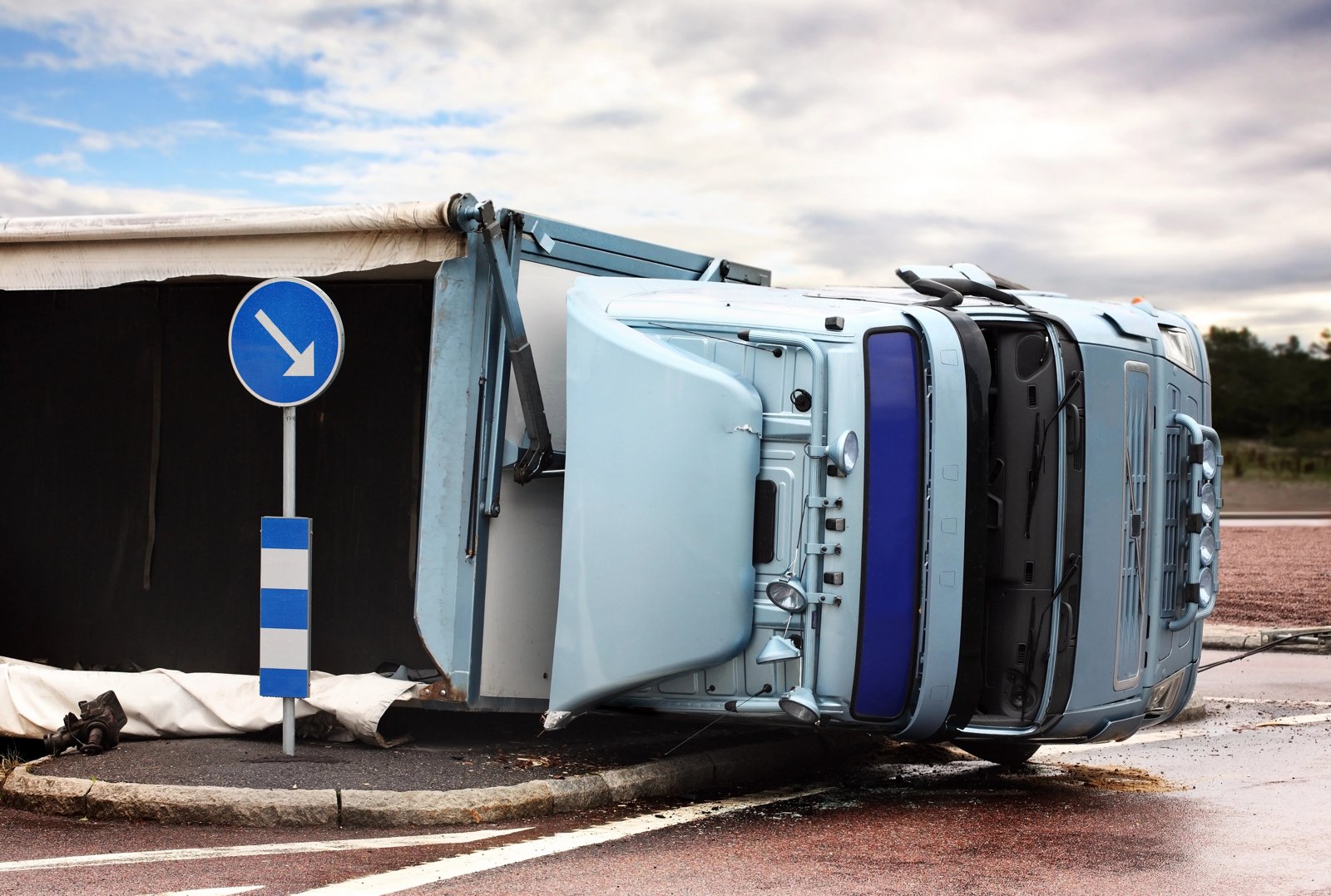
San Francisco Truck Crash Report Guide
A practical, source-based guide to SFPD, CHP, and California DMV processes after a commercial-truck collision.
The short answer: identify the investigating agency before requesting a report
After a truck crash in San Francisco, keep the crash date, approximate time, exact location, agency name, report or case number, and names of people involved together. The San Francisco Police Department says its Crime Information Services Unit handles traffic-collision report requests through an online portal or in person at police headquarters. SFPD asks online requesters to upload valid identification and says traffic-collision requesters should allow at least five business days for review before release. 1
A collision in San Francisco may instead have been investigated by the California Highway Patrol, another agency, or a law-enforcement authority outside the city. CHP uses a separate process for reports it filed and limits copies to proper parties of interest. 3 Start with the agency named on the report header, exchange sheet, citation, or other officer paperwork.
California’s SR-1 is a separate issue. The DMV says certain drivers, insurers, or legal representatives must file an SR-1 within 10 days after an injury, death, or property damage over $1,000, in addition to any police, CHP, or insurance report. 4 This guide provides general legal information, not advice about a particular collision.
Gather the details that help an agency find the correct record
Commercial-truck collisions can generate documents from a responding officer, insurer, tow provider, medical provider, carrier, or records office. Preserve the information already available to you rather than reconstructing it from memory. Accurate identifiers can help a records office locate the event; they do not establish who caused a crash.
| Detail to keep | Why it helps | Where it may appear |
|---|---|---|
| Crash date and approximate time | Narrows an agency search | exchange sheet, insurer notice, tow receipt |
| Exact location and travel direction | Helps identify a likely jurisdiction | photos, phone location history, witness notes |
| Agency, report, or case number | Connects a request to one event | officer paperwork, citation, agency email |
| Names of drivers and vehicle descriptions | Helps distinguish a multi-vehicle crash | insurance documents, photos, written notes |
| Truck, trailer, and company markings | Creates a fact-checking lead | safely taken photos, witness notes, tow records |
| Request confirmation and follow-up date | Documents what you requested | portal receipt, email, payment confirmation |
Do not fill gaps with assumptions. A name or USDOT number visible on a truck can be useful for follow-up questions, but it does not by itself prove ownership, employment, dispatch control, or legal responsibility.
Which San Francisco truck crash-report route may apply?
SFPD Crime Information Services Unit for SFPD traffic collisions
SFPD says its Crime Information Services Unit processes public incident-report requests, including traffic collisions. The department’s online portal is the most secure and convenient route identified on its page. SFPD asks online requesters to upload valid identification, such as a current driver’s license, state identification card, SF City ID card, or passport. 1
SFPD also accepts requests in person at its headquarters at 1245 Third Street, first-floor Records Management, during 8 a.m. to 5 p.m. business hours Monday through Friday, excluding holidays. The page says report copies are free and that reports are not available through district stations. 1
For a traffic collision, SFPD says to allow a minimum of five business days from the date of the collision for review and approval before attempting to obtain a copy. That is an agency processing instruction, not a promise that every report will be released on that schedule. 1
CHP for CHP-investigated collisions
The California Highway Patrol says a proper Party of Interest may request a copy of a CHP crash report or investigation through the CHP Crash Portal. A requester may also submit a CHP 190 form by mail or in person to the CHP Area office that filed the report. 3
CHP lists drivers, bicyclists, pedestrians, passengers, parents of minors, legal guardians, vehicle or property owners, legal representatives, manufacturers, and insurance companies with a valid claim or policy number as examples of proper parties of interest. Its instructions ask for the crash date, location, driver or owner information, party-of-interest status, applicant details, and applicable fees. 3
Do not use the CHP route just because a collision happened in California. Use the agency identified on the paperwork and confirm whether CHP investigated the crash.
Separate police-report copies from other records
A standard incident or traffic-collision report is different from a request for dispatch records, body-camera video, photographs, witness statements, or other evidence. SFPD directs those broader requests to its Public Records Act route rather than treating every item as a standard report-copy request. 1
If you need material beyond the report itself, identify each record category separately and ask the responsible agency about its current format, requester requirements, fees, and retention. A request for an existing report does not necessarily produce every record connected to a commercial vehicle.
California’s SR-1 is not a police-report request
The California DMV says a driver, insurance agent, broker, or legal representative must submit an SR-1 within 10 days when someone is injured or killed, no matter how minor the injury, or when property damage exceeds $1,000. The DMV also says the SR-1 is required in addition to reports made to police, CHP, or an insurance company. 4
That filing requirement should not be confused with requesting a copy of a law-enforcement crash report. One process reports an accident to the DMV; the other seeks an existing record from the agency that investigated or maintains it. If you are unsure whether an SR-1 is required, obtain advice about your circumstances rather than relying on a general article.
Federal motor-carrier records are a separate issue
Federal rules impose recordkeeping duties on covered motor carriers. Under 49 C.F.R. § 390.15, a motor carrier must maintain an accident register for three years after each qualifying accident. The register must include specified accident information and copies of accident reports required by a state, government entity, or insurer. 5
The rule also requires carriers and intermodal equipment providers to make accident records available to authorized representatives in specified investigations. It does not give the public an automatic right to a carrier’s accident register or other internal business records. Questions about evidence beyond the public crash report can be fact-specific. 5
For report-related background, visit the truck accident police report guide. The truck accident evidence checklist can help organize documents and original photographs, while the black-box evidence guide explains why electronic vehicle data may require prompt, fact-specific attention.
If you are researching representation, browse San Francisco trucking accident attorney profiles, the California trucking accident attorney directory, or the full national attorney directory. These pages are starting points for comparison, not endorsements or guarantees. For broader context, see the California trucking accident statistics page and the city crash-report guide index.
A practical San Francisco follow-up checklist
- Keep the report number, investigating agency, crash date, location, and request confirmation together.
- Use the agency named on the paperwork instead of guessing based only on a San Francisco address or nearby landmark.
- Upload or provide the identification and other details requested by SFPD or CHP through the current official route.
- Preserve original photos, correspondence, treatment records, and tow paperwork without altering an agency document.
- If California’s SR-1 may apply, treat that filing as separate from a police-report request and check the DMV’s current instructions.
- If you consult an attorney, ask about evidence preservation, communication, and written fee terms rather than relying on a promised outcome.
Frequently Asked Questions
How do I request a San Francisco truck crash report?
Start with the investigating agency named on the crash paperwork. SFPD says its Crime Information Services Unit handles traffic-collision report requests through an online portal or in person at headquarters, while CHP has a separate process for CHP-investigated collisions and proper parties of interest. 1 3
How long should I wait before requesting an SFPD traffic-collision report?
SFPD says to allow a minimum of five business days from the date of the collision for the report to be reviewed and approved for release. That is the department’s published processing instruction, not a guarantee that a report will be available or released on that exact schedule. 1
What identification does SFPD request for an incident-report copy?
SFPD says online requesters should upload valid identification, such as a current driver’s license, state identification card, SF City ID card, or passport. Confirm the current requirements in the official portal before submitting a request. 1
Is California’s SR-1 the same as requesting a San Francisco police report?
No. The DMV says an SR-1 is a separate accident report that may be due within 10 days after an injury, death, or property damage over $1,000. It is required in addition to a police, CHP, or insurance report and does not request a copy of an existing law-enforcement record. 4
Can I automatically get the trucking company’s accident records?
No. Federal rules require covered motor carriers to maintain certain accident-register information, but the rule does not create an automatic public right to a carrier’s accident register or other internal records. 5 A qualified attorney can evaluate evidence issues in a specific matter.
Legal-Information Disclaimer
This article provides general educational information about San Francisco truck crash reports and California accident-reporting processes. It is not legal advice, does not create an attorney-client relationship, and is not a substitute for guidance about a particular collision, report request, evidence issue, insurance matter, SR-1 filing, or deadline. Confirm current procedures with the investigating agency and California DMV, and seek advice from a qualified attorney about your specific circumstances.
References
City crash-report helper
Which agency likely investigated?
Use the facts you have to choose a starting path. This is an organizing tool—not a confirmation of jurisdiction, report availability, or legal advice.
Printable planning tool
San Francisco Collision Record Request Checklist
Gather the facts an agency may need, track the request, and record follow-up questions. This worksheet stays on your device and does not submit information to this site.
City resource library
More city crash-report guides
Find official record-request starting points for other major cities. Procedures and eligibility can vary by agency.
Phoenix Truck Crash Report Guide
See how to request a Phoenix truck crash report, compare Phoenix Police and Arizona DPS pathways, and organize key records.
Read guide
Houston Truck Crash Report Guide
How to request a Houston truck crash report, what details to save, and which agency may hold related records.
Read guide
Dallas Truck Crash Report Guide
How to request a Dallas truck crash report, organize key details, and identify records that may be held separately.
Read guideFind an Attorney in Your City
Were You Injured in a Trucking Accident?
Find an experienced trucking accident attorney in your city. Most offer free consultations.
Find an Attorney