
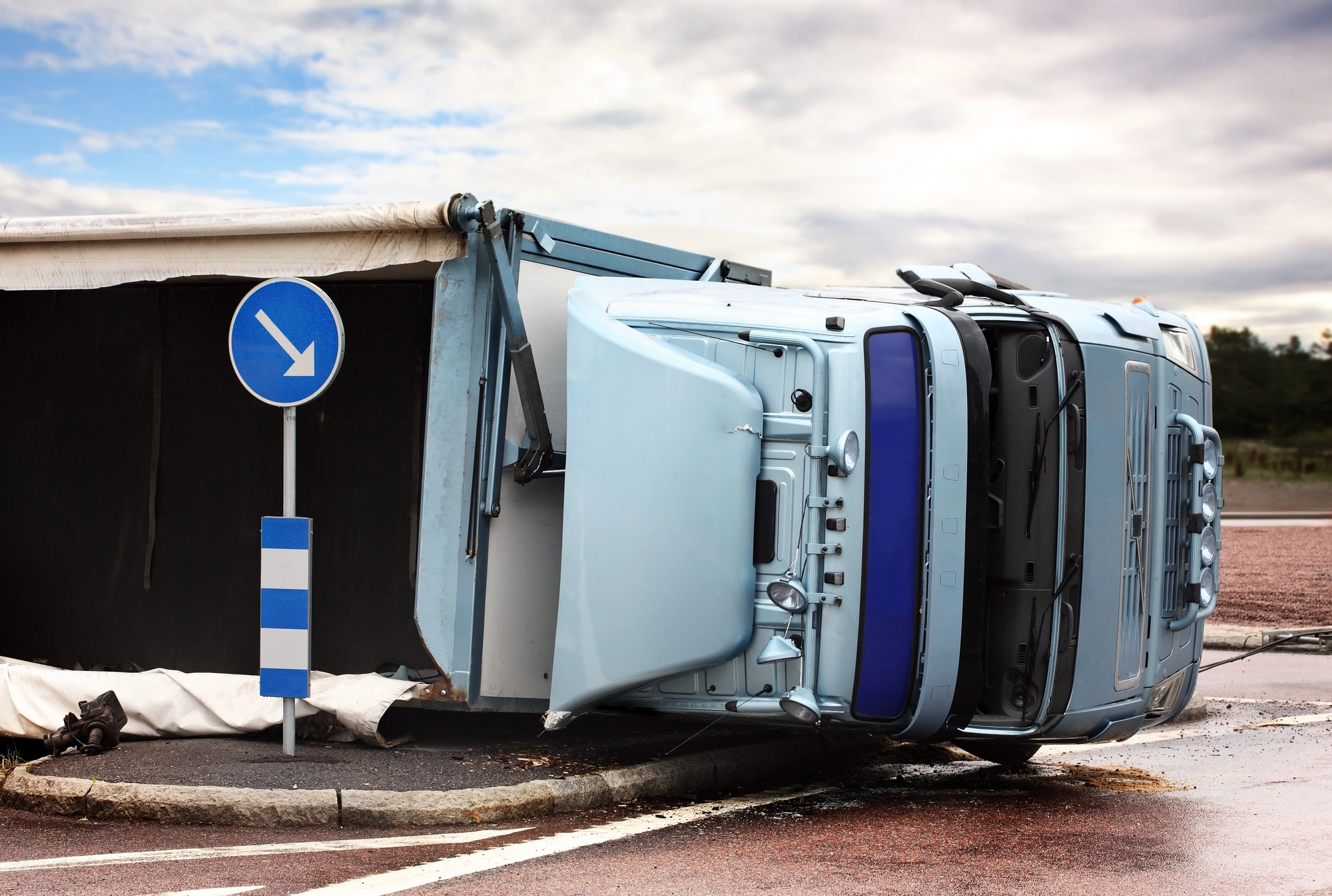
San Diego Truck Crash Report Guide
A source-based guide to identifying the proper record route after a San Diego commercial-truck collision and keeping a careful request file.
The short answer: identify the investigating agency first
After a truck crash connected to San Diego, save the crash date, location, report number, and agency named on the paperwork. A San Diego Police Department report, a California Highway Patrol report, and the California DMV’s SR-1 process are different routes. 1 2 3 The right record path depends on who investigated the collision and what type of document is needed. A report can preserve early information, but it does not decide fault, insurance coverage, or civil responsibility.
This article provides general legal information, not advice about a specific crash. Record availability, access requirements, fees, agency procedures, and timelines can change. Confirm the current process with the investigating agency before submitting a request.
Keep the details that help locate the right report
A commercial-truck crash can involve more than one vehicle, agency, and road authority. Keep a copy of any exchange information, case number, insurer letter, photographs, tow information, and written notes. Preserve originals and separate what you observed from what someone else told you.
| Detail to retain | Why it helps | Common source |
|---|---|---|
| Crash date and approximate time | Helps distinguish the correct collision | exchange information, phone history, tow receipt |
| Exact location and roadway | Helps identify local, freeway, or state jurisdiction | scene photos, map notes, officer paperwork |
| Agency and report number | Points to the correct record process | paperwork, citation, insurer correspondence |
| Truck and trailer markings | Preserves factual identifiers | safely taken photos, witness notes, tow records |
| Driver and vehicle descriptions | Helps distinguish a multi-vehicle crash | report paperwork, photos, contemporaneous notes |
A company logo, USDOT number, or truck description can be useful factual information. It does not by itself establish ownership, employment, fault, insurance coverage, or legal responsibility.
Choose the San Diego route that matches the report
San Diego Police Department traffic-collision reports
The City of San Diego lists SDPD traffic-collision report requests through LexisNexis eCrash, with phone, mail, and in-person Records Division options. The City instructs requesters to allow three to 10 business days before requesting a copy. 1
SDPD also says it responds only to injury accidents and certain hit-and-run collisions involving injuries or potential suspect/lead information. Its traffic-information page directs freeway incidents to CHP. 2 Those agency boundaries matter: a report investigated by another department should be requested from that department rather than assumed to be in SDPD’s file.
California Highway Patrol reports
For a collision investigated by CHP, CHP describes an online Crash Portal and a request process through a CHP Area office using CHP 190. 3 CHP’s own guidance is specific: it can provide only reports that CHP investigated. If another police department investigated the collision, CHP says to request the report from that agency. 4
That distinction is especially important after a commercial-truck collision on a freeway. The roadway alone is not proof that CHP investigated, so check the agency name and report information before using a state route.
California DMV SR-1 filing is separate from a report request
California DMV’s SR-1 is not a way to order an SDPD or CHP crash-report copy. DMV says an SR-1 must be filed within 10 days when a California collision involved injury or death, or more than $1,000 in property damage. It also says the SR-1 is additional to reports made to police, CHP, or insurers. 5
The reporting rule can apply independently of who investigated the collision. For questions about a person’s particular reporting obligation, confirm the current DMV instructions or seek qualified advice.
What a crash report may not include
A basic public crash report can be important for organizing the known information, but it may not contain every record connected to a commercial-truck collision. Depending on the facts, other materials may be held by a different agency, a business, a hospital, a towing provider, or another entity.
Separate evidence can include photographs, dispatch information, video, inspection records, maintenance records, vehicle data, cargo documents, and insurance communications. The truck accident police report guide explains common report elements, while the truck accident evidence checklist can help organize original documents. For time-sensitive vehicle-data questions, see the truck black-box evidence guide.
The San Diego trucking accident attorney directory and the national attorney directory are research starting points. They are not endorsements, ratings, or promises about representation or results.
A careful request checklist
- Keep the date, time, location, report number, and agency together before selecting a portal or office.
- Confirm whether SDPD, CHP, or another agency is named on the paperwork.
- Do not treat the DMV SR-1 process as an order form for a police or CHP report.
- Save the confirmation number, payment record, and a copy of the request you submit.
- Compare received information with your own photos, paperwork, and insurer correspondence without changing originals.
- If you consult an attorney, ask about evidence preservation, agency records, applicable deadlines, and written fee terms rather than relying on a predicted result.
Frequently Asked Questions
How do I get a San Diego truck crash report?
Begin with the agency named on the paperwork. For an SDPD-investigated crash, the City lists LexisNexis eCrash and SDPD Records options. For a CHP-investigated crash, CHP lists its Crash Portal and CHP 190 process. 1 3
How long should I wait for a San Diego Police crash report?
The City’s SDPD record page says to allow three to 10 business days before requesting a traffic-collision report. 1 This is an agency instruction, not a guarantee that every report will be available on the same schedule.
Can I request a CHP report for a crash investigated by San Diego Police?
CHP says it can provide only reports it investigated. If another police department investigated the collision, request the report from that agency. 4
Is a California DMV SR-1 the same as a police crash report?
No. DMV says SR-1 is a separate accident-reporting process and is additional to any report made to police, CHP, or an insurer. 5
Does a San Diego truck crash report prove who is legally responsible?
No. A report may document early information and agency observations, but legal responsibility can depend on additional evidence, applicable law, insurance issues, and the specific facts of the collision.
Legal-Information Disclaimer
This article provides general educational information about San Diego truck crash-report routes. It is not legal advice, does not create an attorney-client relationship, and is not a substitute for guidance about a particular collision, request, evidence issue, insurance matter, or deadline. Agency procedures and legal requirements can change. Contact the investigating agency or a qualified attorney about your circumstances.
References
City crash-report helper
Which agency likely investigated?
Use the facts you have to choose a starting path. This is an organizing tool—not a confirmation of jurisdiction, report availability, or legal advice.
Printable planning tool
San Diego Collision Record Request Checklist
Gather the facts an agency may need, track the request, and record follow-up questions. This worksheet stays on your device and does not submit information to this site.
Find an Attorney in Your City
Were You Injured in a Trucking Accident?
Find an experienced trucking accident attorney in your city. Most offer free consultations.
Find an Attorney